
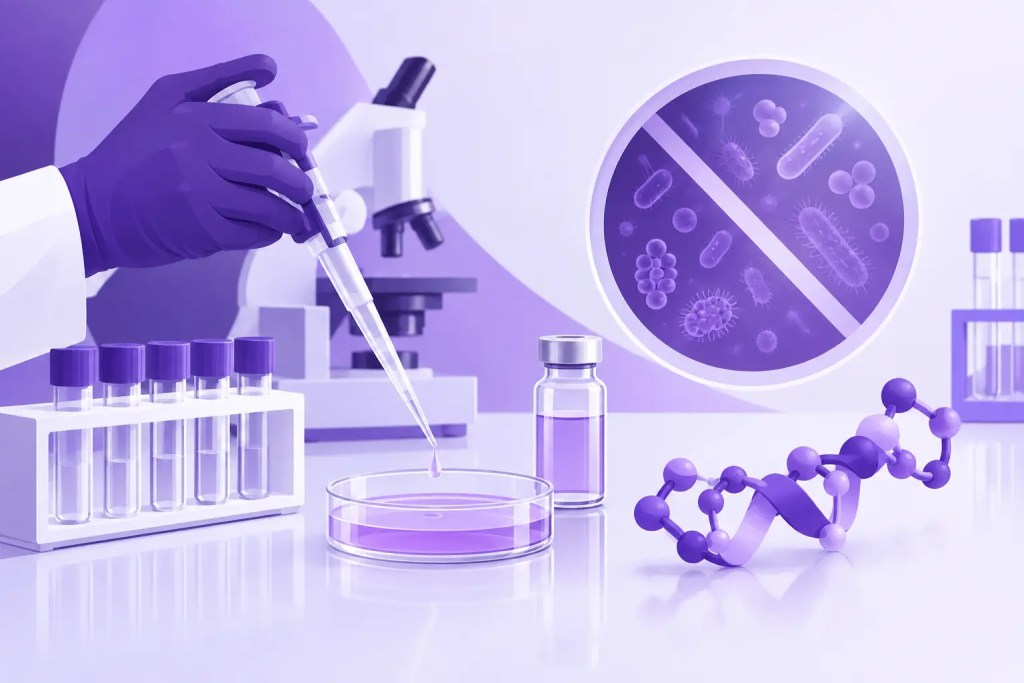
Sterility Testing for Peptides Explained
Sterility testing for peptides helps research buyers evaluate microbial contamination controls, documentation, limits, and responsible handling practices.
Sterility testing for peptides helps research buyers evaluate microbial contamination controls, documentation, limits, and responsible handling practices.

Why do COAs expire? Learn how dating, storage, methods, and lot traceability help researchers evaluate current analytical documentation for laboratories.

Learn how to compare supplier documentation, assess COAs and test methods, and identify records that support confident, research-focused procurement.

This guide to peptide documentation explains how to evaluate COAs, test panels, chain of custody, and records before sourcing research materials carefully.
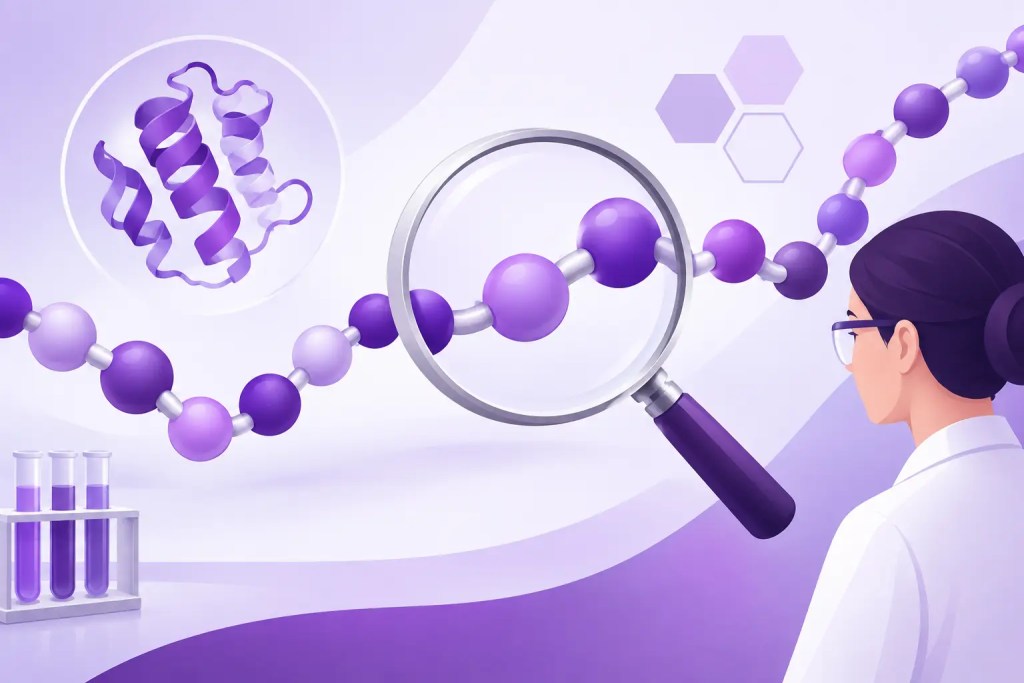
This peptide chain integrity guide explains how sequence, purity, storage, and documentation support reliable, traceable research materials in the lab.

A guide to laboratory chain custody: protect sample identity, document every transfer, and build defensible secure records from receipt through retention.

Learn how to store lyophilized peptides properly using temperature control, light protection, dry handling, and documentation for dependable research use.

Learn how to preserve sample integrity through documented receipt, controlled storage, clean handling, and traceable research workflows every research day.
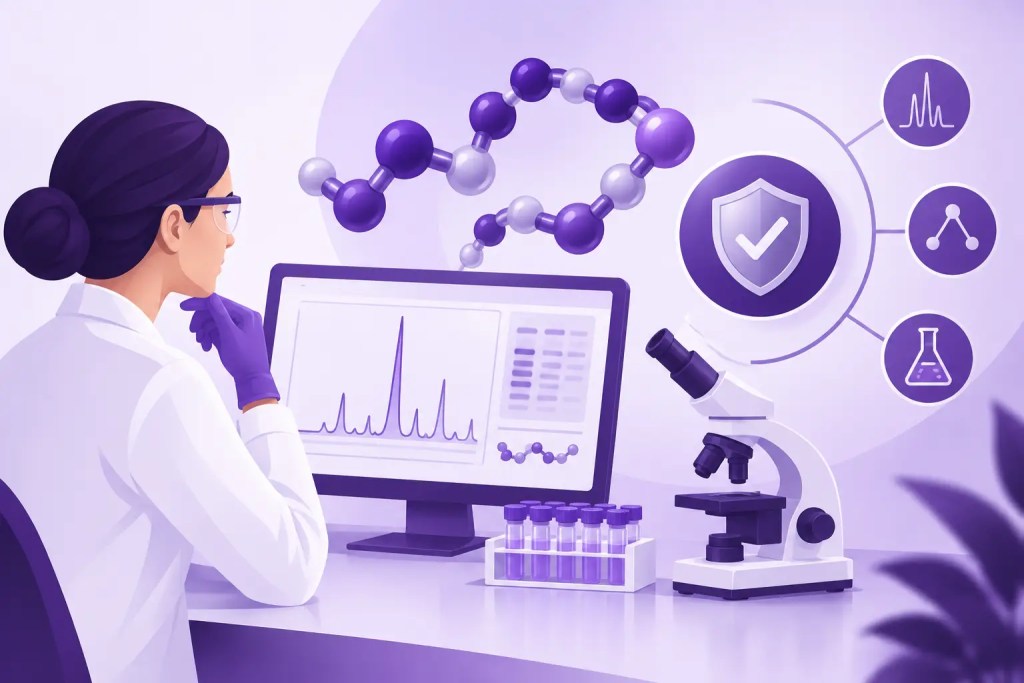
Peptide analytics explains how identity, purity, sterility, endotoxins, metals, and net content are verified before research materials are released to labs.

HPLC testing versus mass spectrometry: learn what each method confirms, where each falls short, and why orthogonal testing supports reliable research.